
Warmer floors in winter
Insulation between the joists slows heat transfer from the living space to the cold subfloor. This keeps the floor surface warmer and reduces the chill you feel when walking barefoot on timber floors in Oakleigh South.
Suspended Timber Floors
Underfloor insulation stops cold air rising through gaps in suspended timber floors and reduces draughts in Oakleigh South homes. Expert Insulation Melbourne installs glasswool or polyester batts between floor joists in the subfloor to improve thermal comfort and cut heating costs.
Share your details and Expert Insulation Melbourne will contact you about Underfloor Insulation in Oakleigh South.
Underfloor insulation is installed between the floor joists from the subfloor beneath suspended timber floors. It is a practical solution for older weatherboard and brick veneer homes in Oakleigh South where cold air enters through gaps in the floorboards and around skirting. The job requires enough crawl space access to lay batts that trap still air and block draughts.
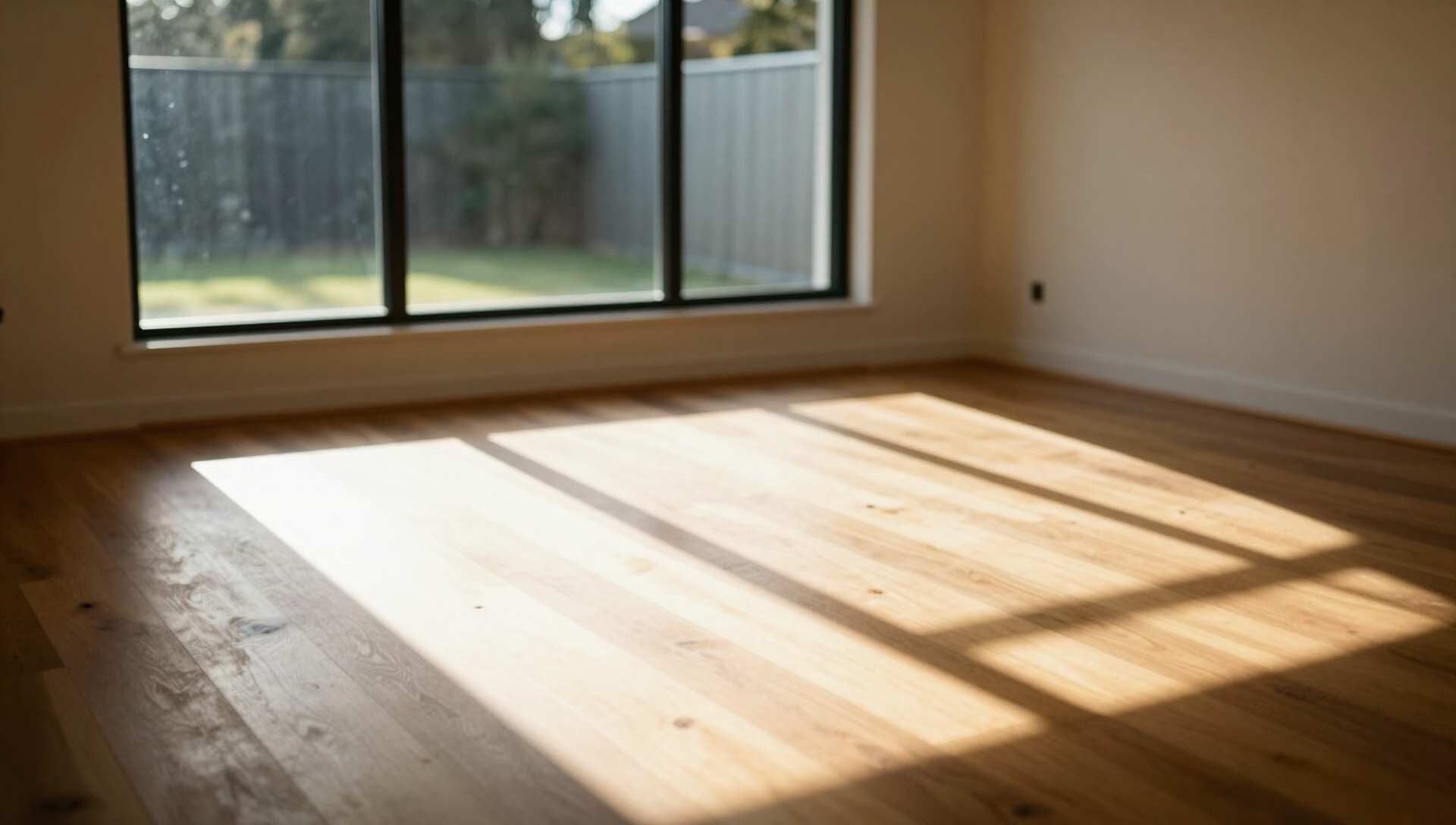
Melbourne winters bring cold, damp conditions that make uninsulated timber floors in Oakleigh South feel icy underfoot. Underfloor insulation addresses the main source of heat loss through the floor, improving comfort and reducing the workload on heaters. It also minimises draughts that enter through gaps in floorboards and around the edges of the room.
Insulation between the joists slows heat transfer from the living space to the cold subfloor. This keeps the floor surface warmer and reduces the chill you feel when walking barefoot on timber floors in Oakleigh South.
Batts fill the gaps between joists, blocking cold air that would otherwise rise through cracks in the floor. This is especially noticeable in older homes where floorboards have shrunk or warped over time.
By reducing heat loss through the floor, your heater runs less often to maintain a comfortable temperature. This can lead to noticeable savings on energy bills during Melbourne’s coldest months.
Insulation helps moderate the temperature difference between the warm living space and the cold subfloor. This reduces the chance of condensation forming on the underside of the floor, which can lead to moisture issues.
Bulk insulation absorbs sound vibrations, reducing noise transfer between floors. This is useful in two-storey homes or where the subfloor is adjacent to living areas.
Quality batts maintain their thickness and R-value over time when installed correctly. They do not sag or compress if supported properly between joists and kept dry.
Installing underfloor insulation requires access to the subfloor, usually through a crawl space or by lifting sections of flooring. The process is straightforward for an experienced installer but must account for the condition of the subfloor, the spacing of joists and any existing services like plumbing or wiring.
The installer checks the subfloor for adequate access, structural soundness and any moisture or pest issues. Old debris is cleared, and the area is measured to determine the amount of insulation needed.
Glasswool, polyester or rockwool batts are chosen based on the required R-value and the homeowner’s preference. R1.5 to R2.5 is typical for underfloor applications in Melbourne.
Batts are cut to size and friction-fitted between the floor joists. They are held in place by the natural spring of the material and should not be compressed, as this reduces their thermal performance.
Any gaps around pipes, cables or the edges of the subfloor are sealed to prevent draughts. The access point is then closed, and the area is left clean and tidy.
Oakleigh South has a mix of older weatherboard and brick veneer homes, many with suspended timber floors that benefit from underfloor insulation. These homes often sit on stumps and bearers with a crawl space beneath, providing the access needed to install batts between the joists. The suburb’s cold winters and damp conditions make underfloor insulation a cost-effective upgrade for improving comfort and reducing heating costs.
Stop cold floors and draughts in Oakleigh South with underfloor insulation installed in the subfloor of suspended timber floors.
Homeowners in Oakleigh South often have questions about how underfloor insulation works, what it costs and whether it is suitable for their home. Here are answers to the most common queries.
Underfloor insulation is a proven way to improve thermal comfort in Oakleigh South homes with suspended timber floors. By installing batts between the floor joists in the subfloor, you reduce heat loss through the floor and minimise cold draughts entering through gaps in the floorboards. This is especially valuable in Melbourne’s climate, where cold winters and damp conditions can make uninsulated floors feel icy underfoot.
Expert Insulation Melbourne provides underfloor insulation services in Oakleigh South, using glasswool, polyester or rockwool batts with R-values typically ranging from R1.5 to R2.5. The process involves accessing the subfloor, clearing debris, fitting batts between joists and sealing gaps to ensure a draught-proof result. The work is suited to older weatherboard and brick veneer homes common in the area, where suspended floors sit on stumps and bearers.
Signs your Oakleigh South home may need underfloor insulation include cold floors in winter, noticeable draughts through floorboards and higher-than-expected heating bills. An inspection of the subfloor can confirm whether insulation is missing or inadequate. Properly installed underfloor batts will keep floors warmer, reduce energy costs and improve overall comfort in your home.
Improve comfort and reduce heating costs in your Oakleigh South home with underfloor insulation. Expert Insulation Melbourne installs quality batts in the subfloor of suspended timber floors.