
Reduces winter heat loss
Uninsulated walls account for a significant portion of heat loss in winter. Bulk batts trap still air within the wall cavity, slowing the transfer of heat and keeping living spaces warmer for longer.
Oakleigh South
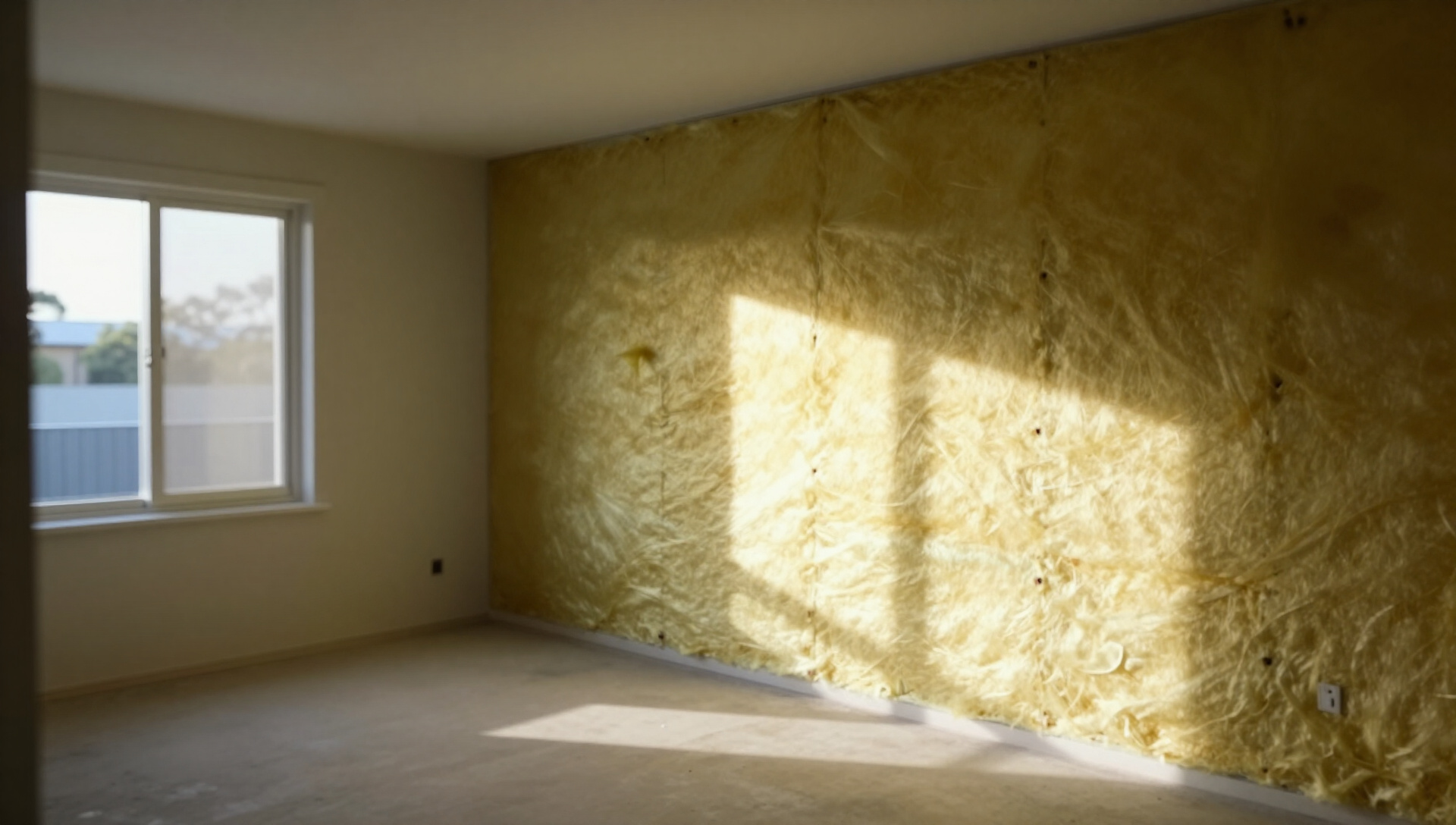
Wall insulation installed in open stud frames during renovations or new builds in Oakleigh South. Glasswool, polyester or rockwool batts fitted between studs to cut heat loss through walls and reduce noise between rooms.
Share your details and Expert Insulation Melbourne will contact you about Wall Insulation in Oakleigh South.
Wall insulation is installed into the open stud frames of external and internal walls during renovations, extensions or new builds. In Oakleigh South, where brick veneer and weatherboard homes are common, fitting bulk batts between studs before lining with plasterboard improves thermal resistance and reduces noise transfer. This is the most effective time to insulate walls, as retrofitting into existing walls requires cavity wall insulation methods that are not always suitable.
Oakleigh South experiences cold winters and hot summers, making wall insulation a practical upgrade for maintaining consistent indoor temperatures. Properly insulated walls reduce reliance on heating and cooling, lower energy bills and improve acoustic comfort between rooms.
Uninsulated walls account for a significant portion of heat loss in winter. Bulk batts trap still air within the wall cavity, slowing the transfer of heat and keeping living spaces warmer for longer.
During Melbourne’s hot summers, external walls absorb radiant heat. Insulation in the stud frames resists this heat flow, helping to keep interiors cooler without overworking air conditioning.
Bulk insulation absorbs sound vibrations, reducing noise transfer between rooms and from outside. This is particularly useful in Oakleigh South homes with open-plan living areas or shared walls.
By stabilising indoor temperatures, wall insulation reduces the need for heating and cooling. This can lead to noticeable savings on energy bills over time, especially in older homes with poor thermal performance.
Insulated walls maintain more even temperatures, eliminating cold spots near external walls in winter and reducing hot surfaces in summer. This creates a more comfortable living environment throughout the year.
Quality bulk batts retain their thickness and R-value over time when installed correctly. Unlike some older insulation materials, modern glasswool, polyester and rockwool batts do not sag or compress, ensuring consistent thermal resistance.
Wall insulation is fitted during the construction or renovation phase, before the plasterboard is fixed. The process is straightforward but requires careful handling to ensure full coverage and no gaps that could compromise performance.
The stud frames are checked for correct spacing, straightness and the presence of services like electrical cables or plumbing. Any gaps or irregularities are addressed before installation begins.
Bulk batts are cut to fit snugly between the studs, with no compression. For standard 450mm or 600mm stud centres, pre-cut batts are used to minimise waste and ensure a tight fit.
The batts are friction-fitted between the studs, starting from the bottom and working upwards. Each batt is pushed in firmly but not compressed, ensuring it stays in place without sagging.
Once all batts are in place, any small gaps around edges or services are sealed with tape or foam. The plasterboard is then fixed over the studs, completing the wall lining.
Oakleigh South features a mix of older brick veneer homes and newer builds, many of which were constructed without wall insulation. For homes undergoing renovations or extensions, installing bulk batts in the stud frames is a cost-effective way to improve thermal performance. In existing brick veneer walls, cavity wall insulation may be an option, but suitability depends on the wall construction and moisture levels, which are assessed during an on-site inspection.
Wall insulation installed in stud frames during renovations or new builds to improve thermal comfort and reduce energy costs in Oakleigh South.
Homeowners in Oakleigh South often have questions about wall insulation, from R-values to installation timing. Here are answers to the most common queries.
Wall insulation is a critical upgrade for Oakleigh South homes, particularly those with brick veneer or weatherboard construction. Without insulation, external walls allow heat to escape in winter and enter in summer, leading to higher energy bills and reduced comfort. Installing bulk batts in the stud frames during renovations or new builds provides a long-term solution to these issues, improving thermal resistance and acoustic performance.
In Oakleigh South, where many homes were built before insulation standards were introduced, wall insulation offers one of the most effective ways to enhance energy efficiency. Glasswool, polyester and rockwool batts are the most common materials, with R-values typically ranging from R2.0 to R2.7 for walls. These materials are non-combustible, resistant to moisture and designed to maintain their performance over time.
The installation process is best carried out when the wall frames are exposed, such as during a renovation or extension. This allows for full coverage and ensures the batts are fitted correctly without gaps. For existing homes, cavity wall insulation may be an option, but this requires a professional assessment to determine suitability based on the wall type and condition.
Improve the thermal comfort and energy efficiency of your Oakleigh South home with wall insulation. Contact Expert Insulation Melbourne to discuss your project and arrange an on-site assessment.